

THE RISING
BLOG
Deep dives, personal journeys, and technical insights from the heart of Nyayo Rising Stars.
Beyond One-Day Trials: Why Kenya’s Junior Harambee Stars Need Long-Term Scouting for National Team Continuity
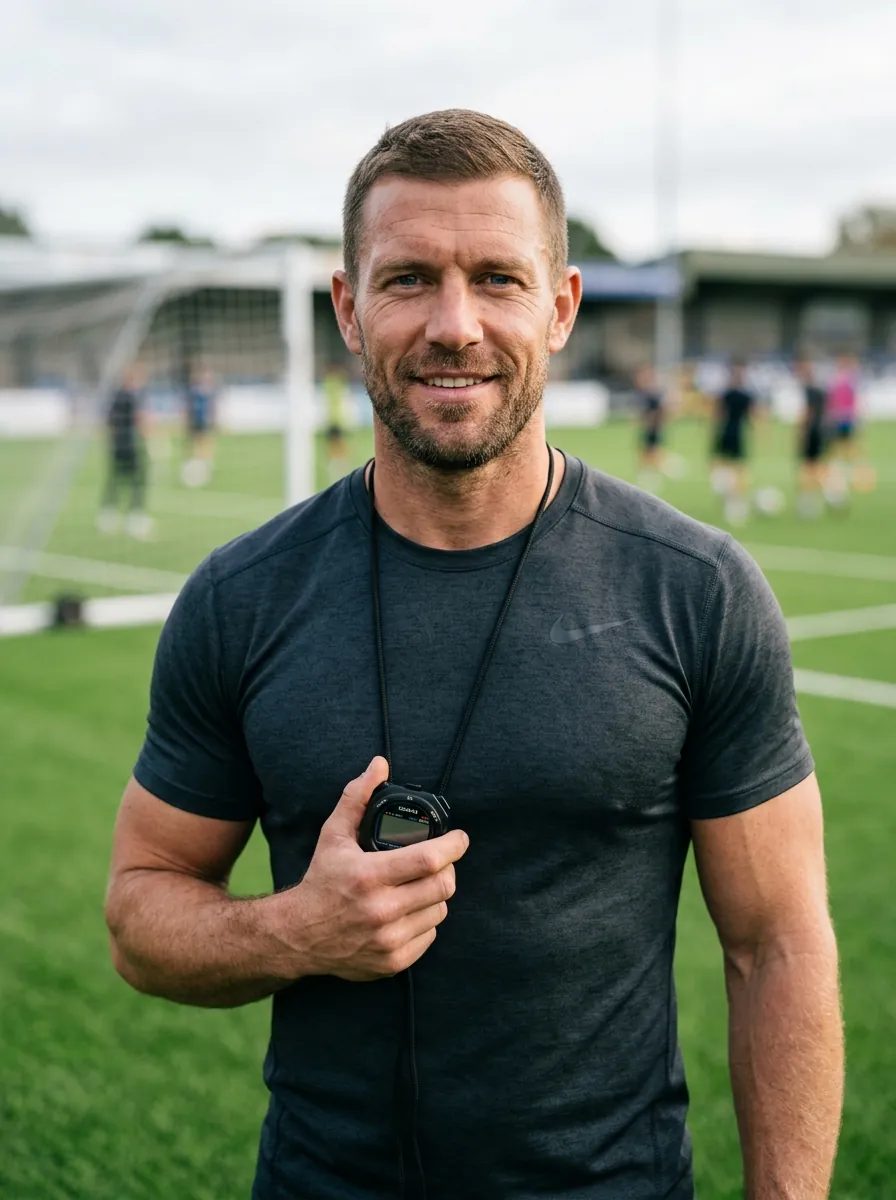

In Kenyan football and team sports at large, the open trial remains a deeply entrenched tradition. For decades, one-day or weekend-long open runs have served as the primary gateway for aspiring footballers hoping to break into elite club academies and national team ranks. To their credit, open trials have occasionally yielded stellar results. Prominent talents such as Amos Nondi, Teddy Osok, and Cliff Nyakeya emerged through open selection processes at Gor Mahia Youth. Similarly, community outfits like Kahawa Pride have successfully revamped their squads by opening their doors to raw, unearmarked talent. Trials embody the fierce, winner-take-all competitiveness of sport, offering a visible platform where anyone can showcase their skills.
However, relying on brief, open trials as the primary mechanism for populating national developmental sides—such as the Junior Harambee Stars—presents fundamental flaws. The nature of a high-pressure, short-duration trial routinely favors immediate physical dominance over long-term potential, introduces subjective bias, and fails to evaluate the complete athlete. For Kenya to build a sustainable talent pipeline that feeds seamlessly into the senior Harambee Stars, national federations and clubs must move past one-day trials in favor of structured, long-term scouting, tracking, and tracing.
The Inherent Pitfalls of One-Day Open Trials
The most significant flaw in short-term trials, particularly at the youth development level, is the skew created by early physical maturation. In an open trial targeting under-15 players, for instance, early bloomers often dominate selection simply because their physical size and strength allow them to bully peers off the ball. Meanwhile, technically gifted players with smaller frames are frequently overlooked. These late bloomers may not have reached their growth spurts yet, but they often possess superior spatial awareness and technical skill that would shine given equal physical footing.
Furthermore, short trials are vulnerable to cognitive biases among selectors and recruiters. Faced with evaluating dozens—if not hundreds—of unfamiliar prospects over a few hours, coaches naturally default to pre-determined belief systems or favor players with whom they already have prior familiarity. Objective evidence presented on the pitch gets drowned out by snap judgments.
Time limitations also severely restrict a player's ability to demonstrate true competence. Football performance is inherently contextual; certain players thrive only when paired with teammates whose attributes complement their own, while only a select few excel in any arbitrary lineup. A two-hour trial match rarely provides the structural stability required to judge a player's actual tactical understanding, decision-making, or adaptability.
Building a Sustainable, Multi-Tiered Scouting Network
To overcome these limitations, the Football Kenya Federation (FKF) and sports policy planners must anchor national youth selection in existing, structured competitions. Kenya possesses a vibrant grassroots ecosystem, including Junior Secondary School tournaments, the Kenya Secondary Schools Sports Association (KSSSA) games, the Kenya Academy of Sports Trials, and FKF Youth Leagues.
Instead of hosting isolated open trials, scouts should be permanently attached to these established competitive centers. Observing players across a full school season or league campaign enables scouts to perform qualitative assessments grounded in consistency rather than short-lived bursts of performance.
To modernize this process, long-term scouting must integrate scientific player evaluation:
- Disaggregated Data Tracking: Tracking metrics over extended periods ensures that selection criteria transition from intuitive guesswork to data-backed decisions, monitoring physical development and performance trends as players mature.
- Character and Behavioral Evaluation: Short trials fail to measure a player's conduct, work ethic, and emotional maturity. Long-term observation allows selectors to properly evaluate seemingly problematic players, distinguishing between genuine behavioral issues and contextual frustration, thereby preventing talented individuals from being prematurely dropped.
- Centralized Bio-Data and Age Verification: Documenting, organizing, and storing player information across various age-grade national team bodies creates a centralized database. This longitudinal tracking is the most effective tool to curb age cheating, as verified biological and sporting histories follow players throughout their development.
A Roadmap for National Team Continuity
While elite clubs may cite limited financial resources as a barrier to maintaining expansive scouting networks, modern technology offers cost-effective alternatives. Grassroots video coverage, performance indexing, and local scout networks allow clubs and federations to analyze video footage and build detailed profiles without exorbitant expenditures.
National team continuity cannot be built on the roll of a dice during a one-day trial. A player's technique, tactical intelligence, temperament, and growth trajectory can only be fully understood through holistic, multi-season evaluation. By replacing transient open runs with systematic tracking across school and youth leagues, Kenya can protect its late-blooming talent, eliminate selection bias, and construct a reliable pipeline for the Junior Harambee Stars and the senior national team for years to come.
Key Insights & Takeaways
- •